50 €
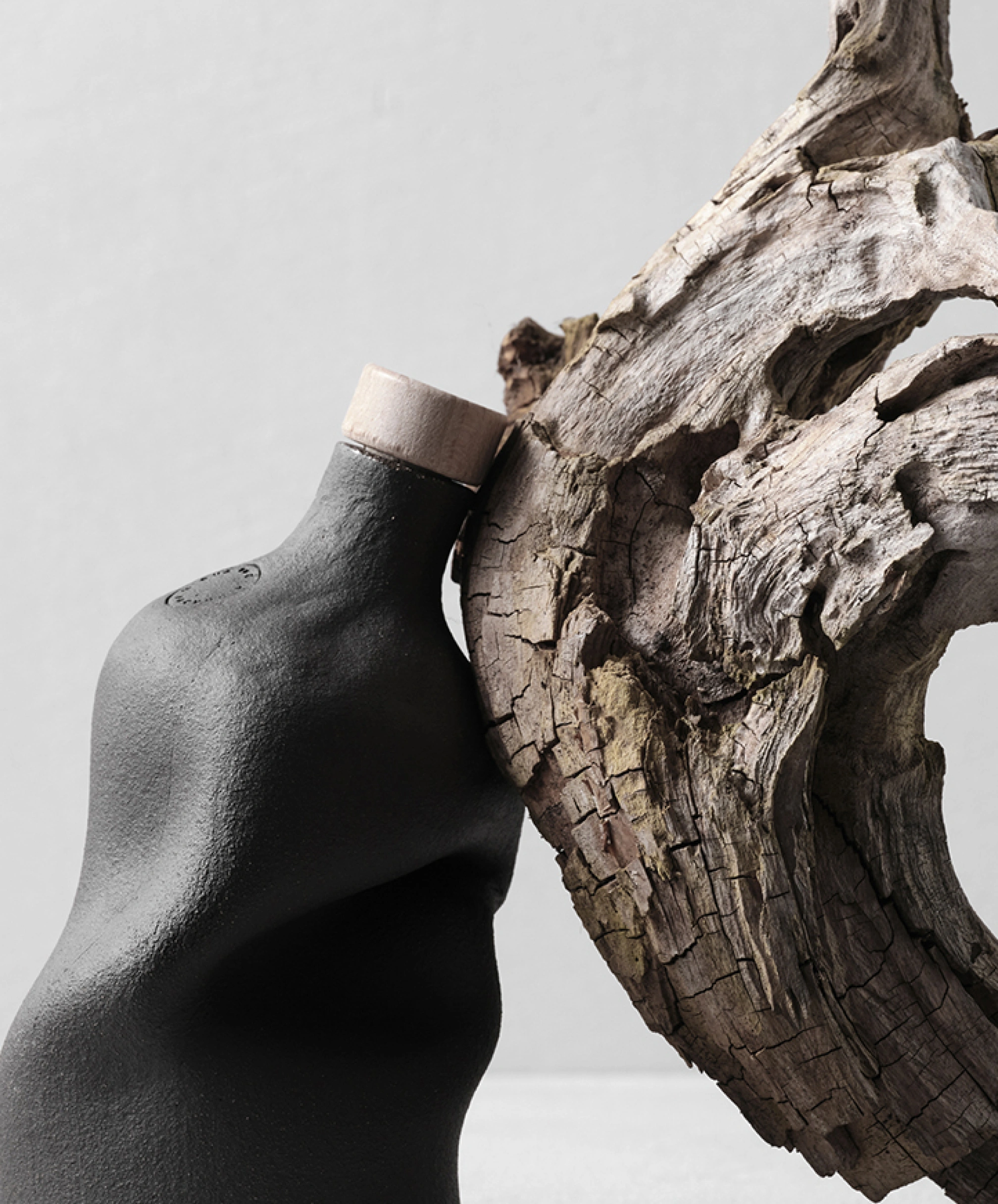
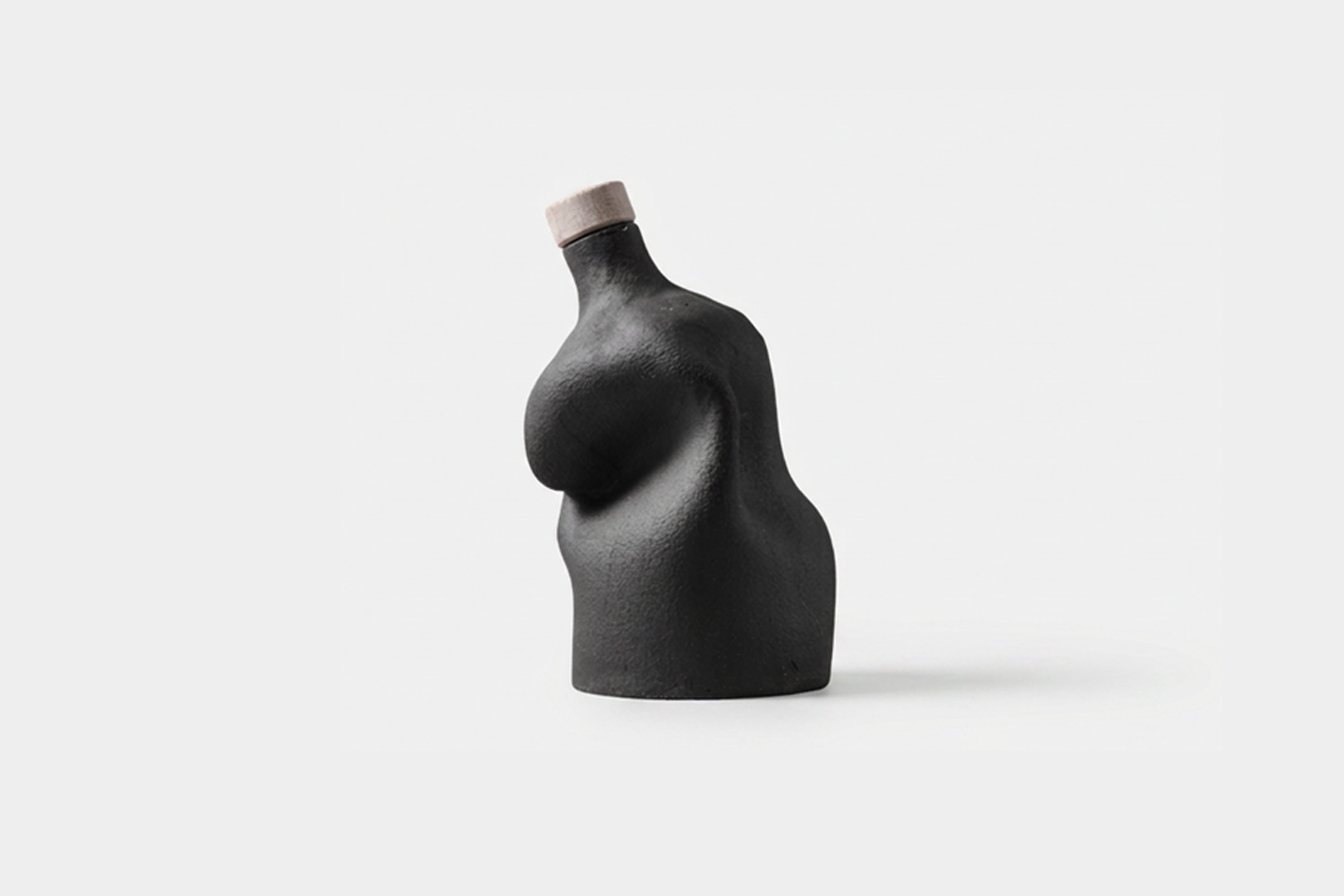
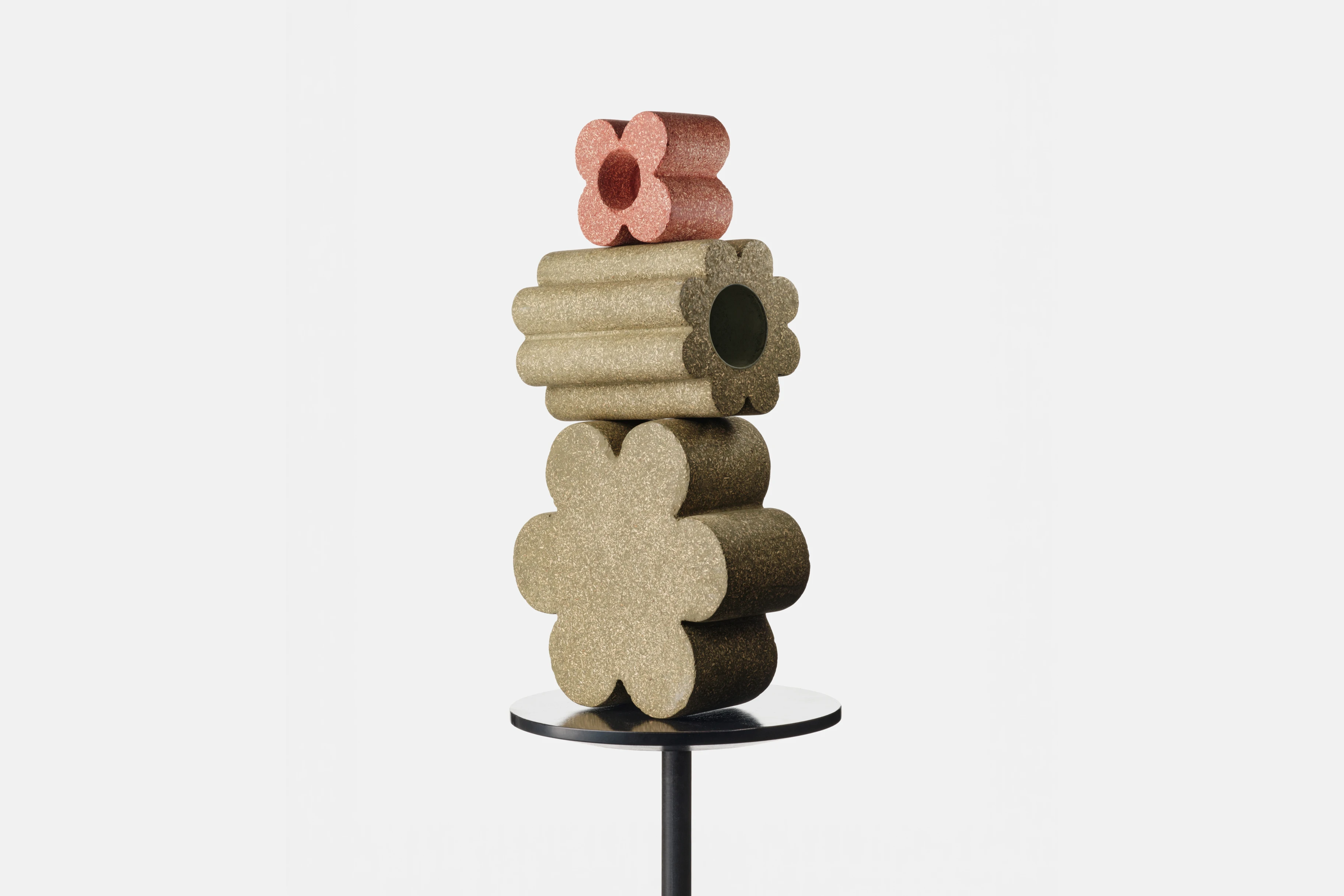
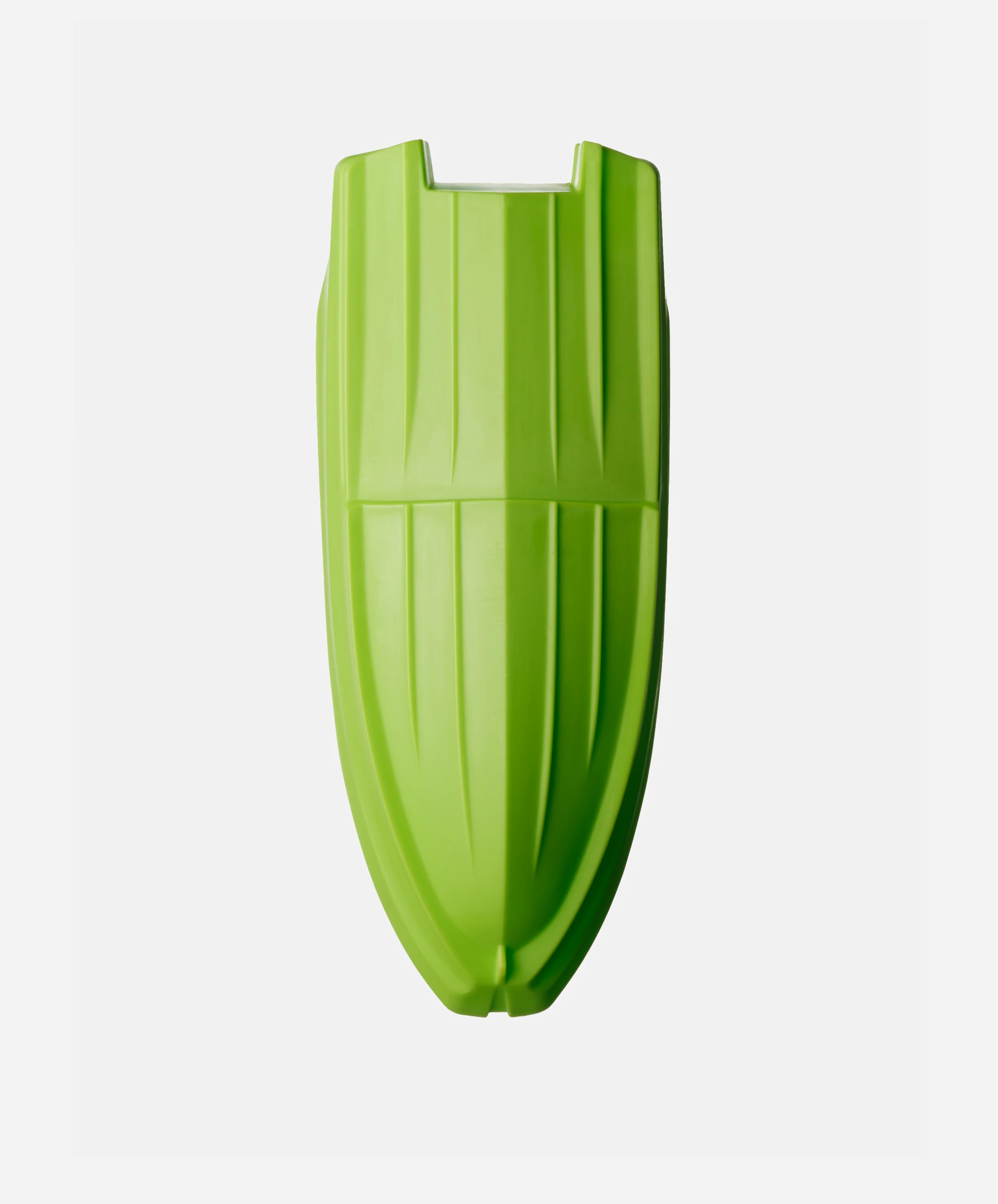
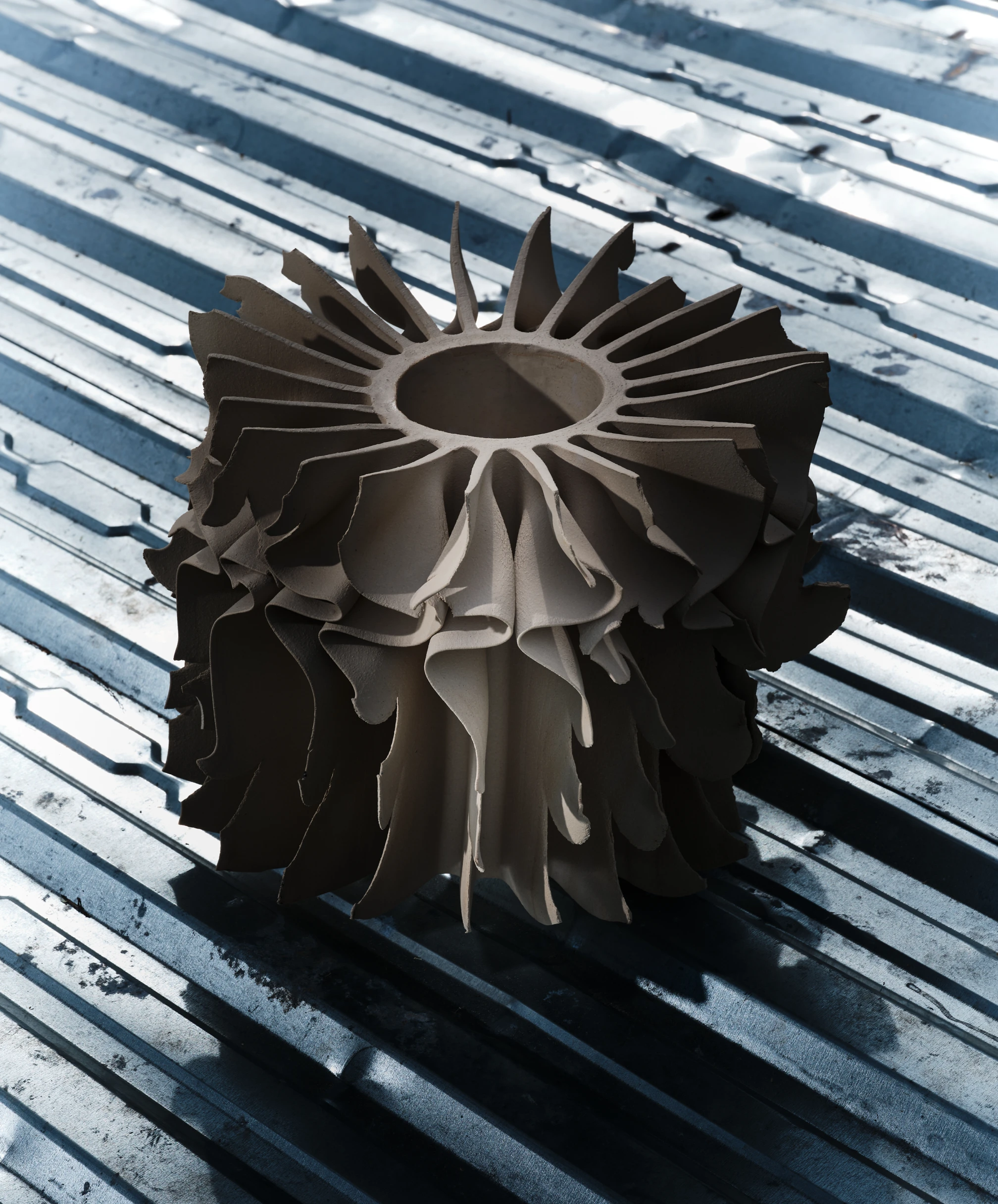
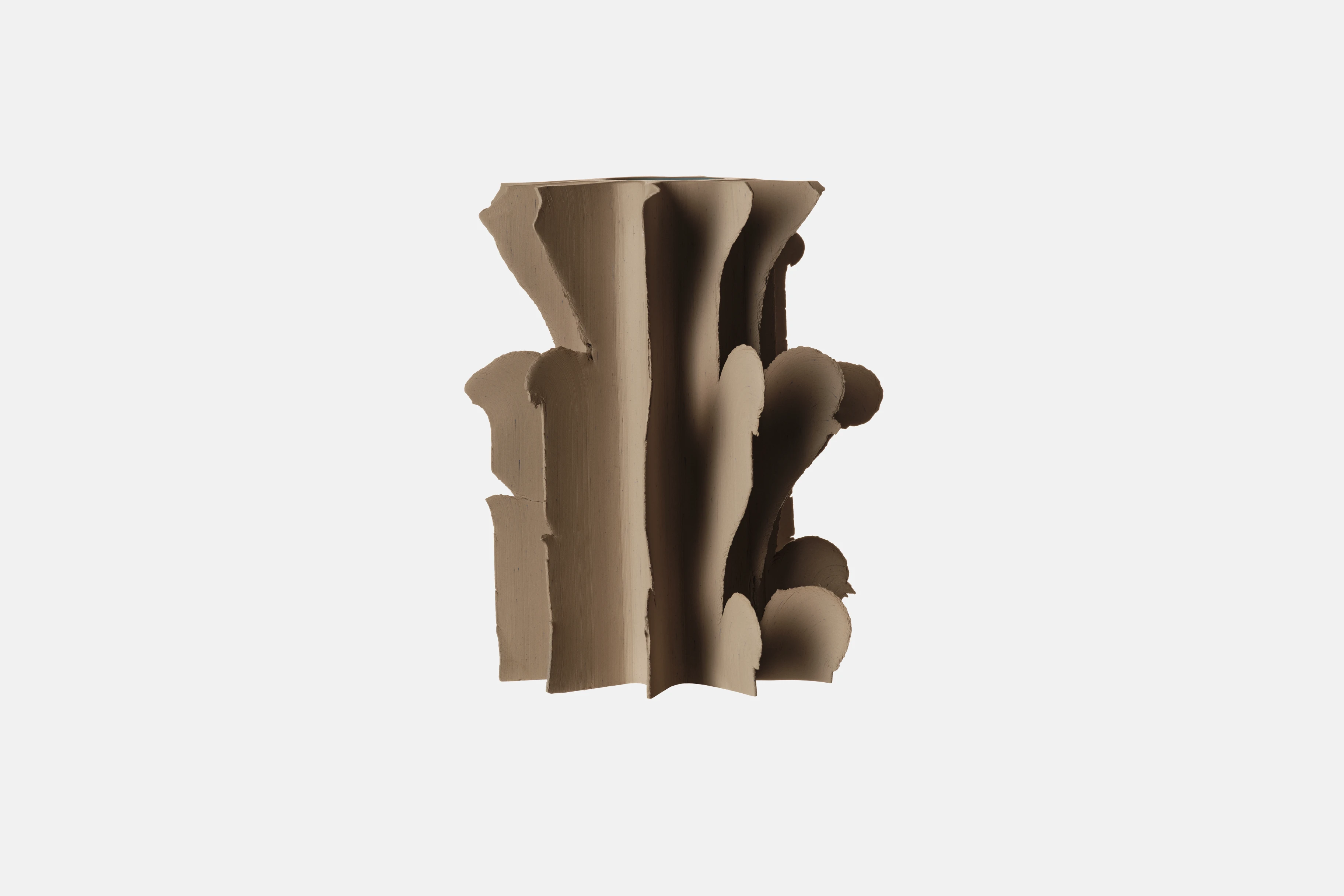
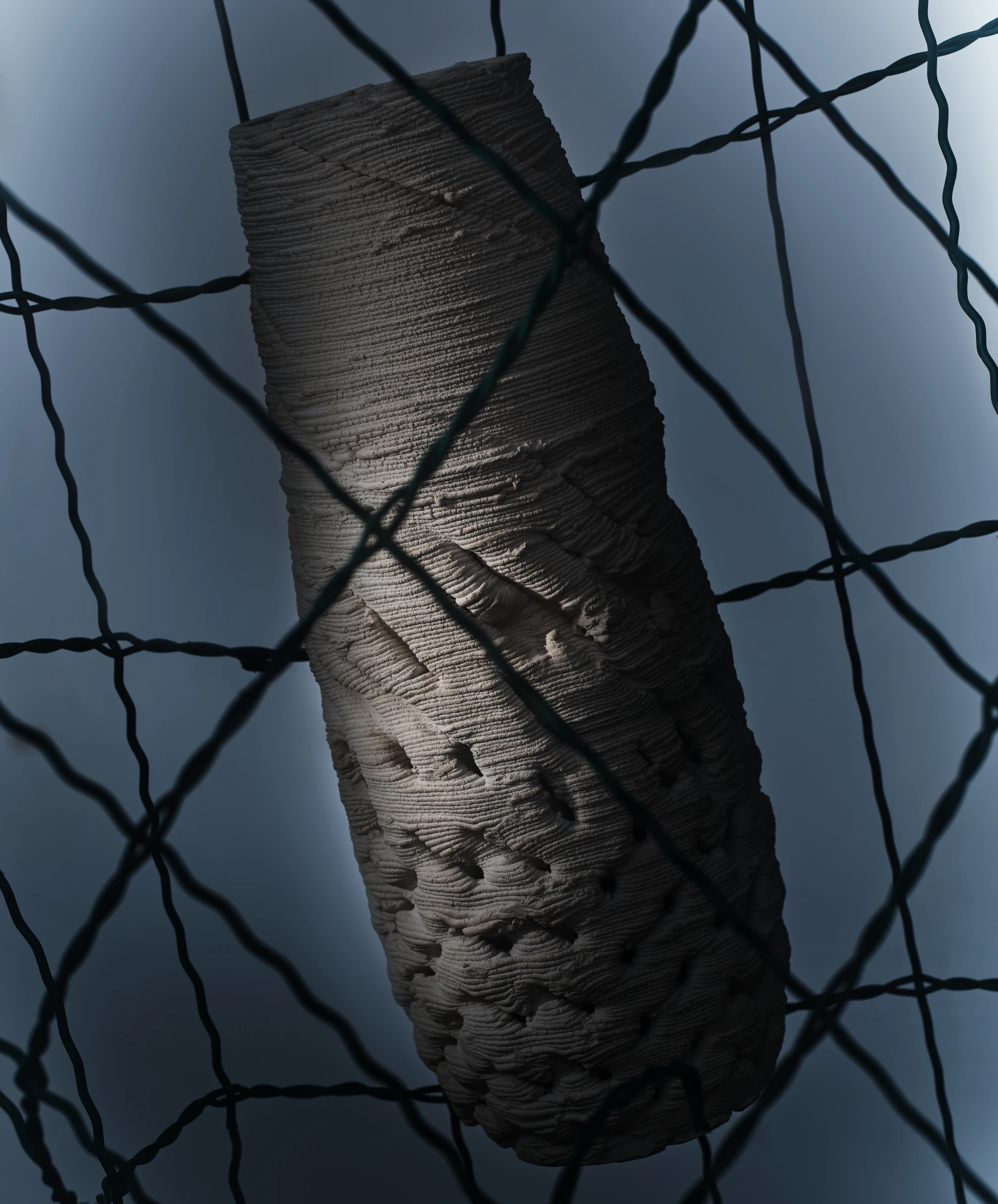
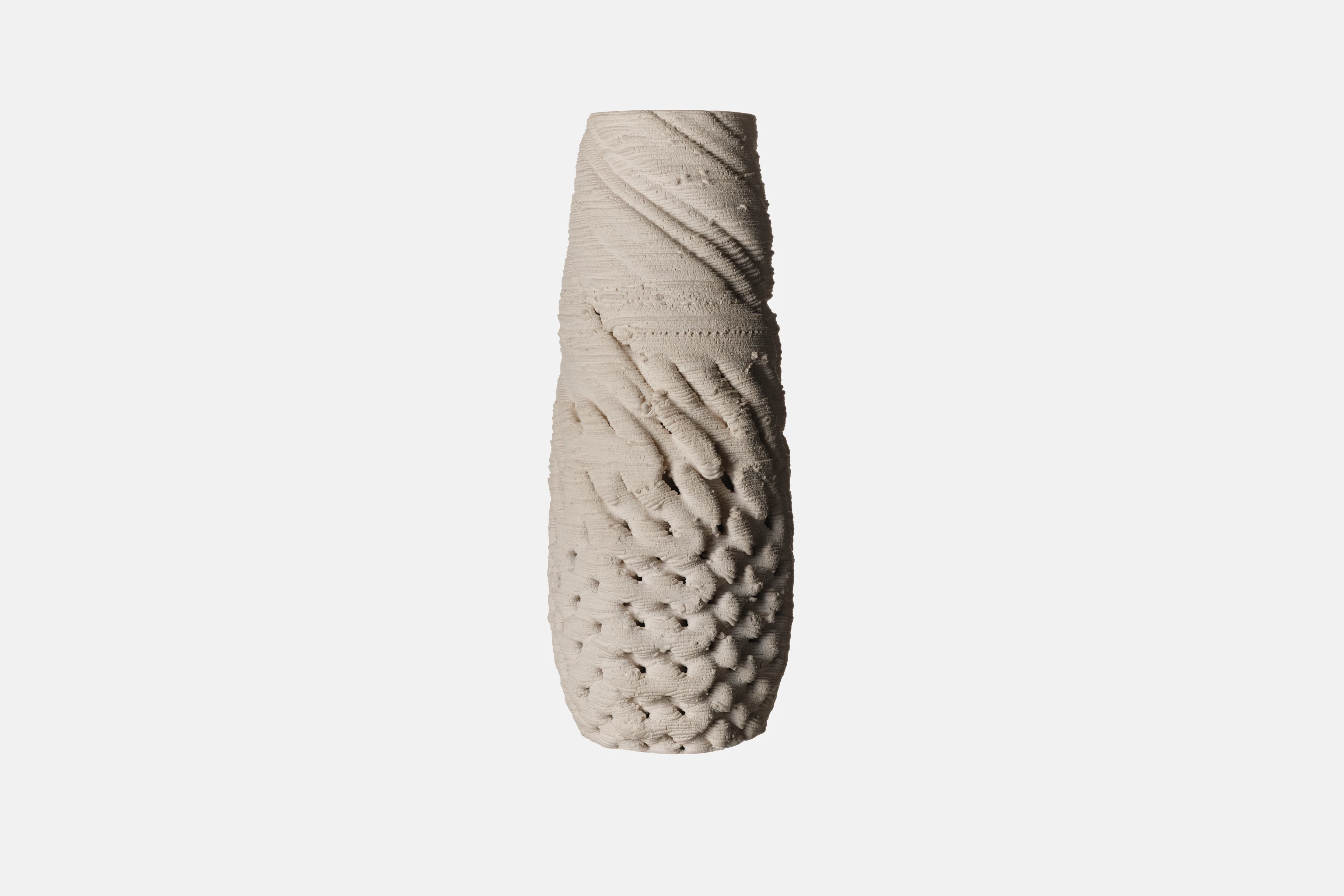
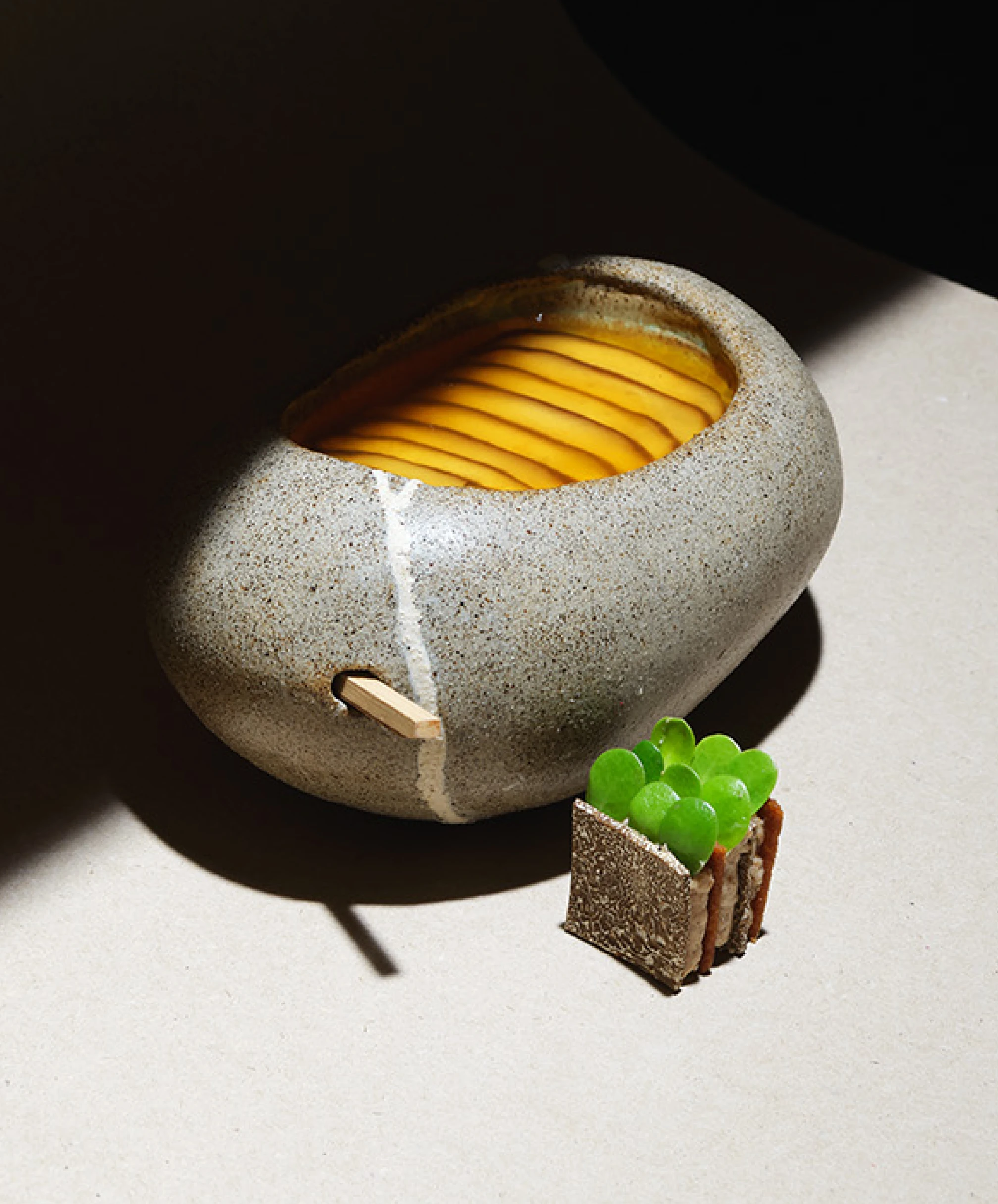
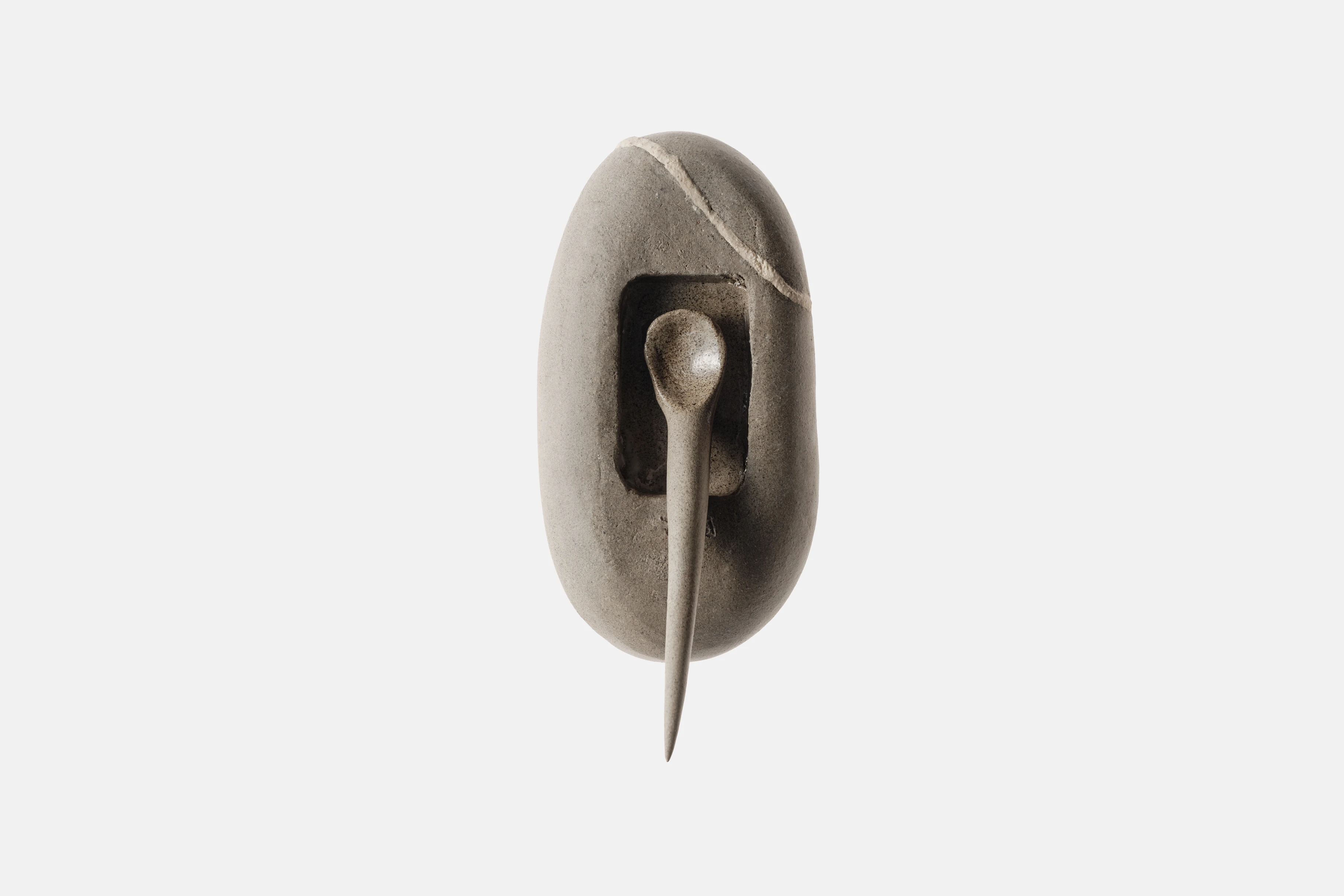
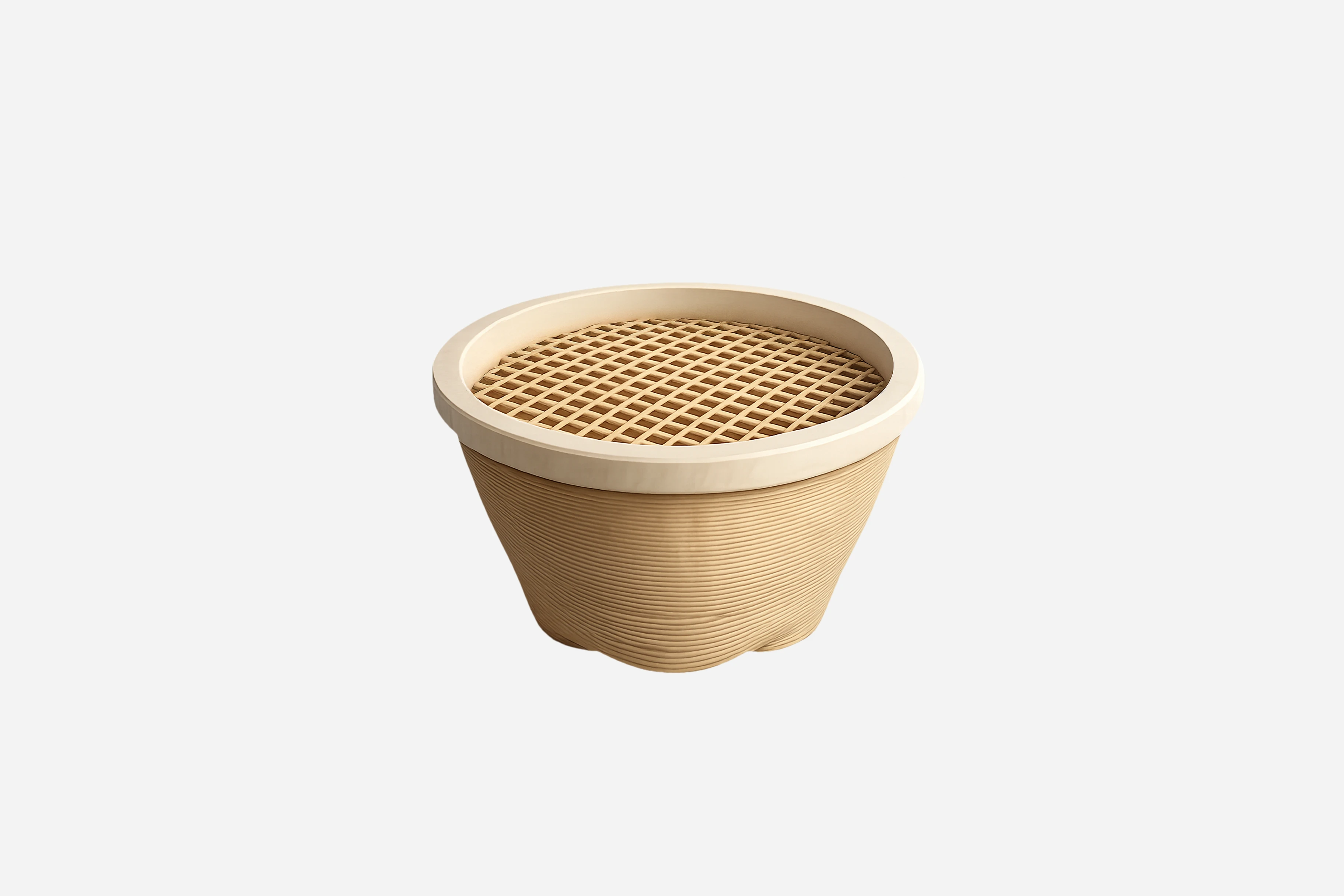
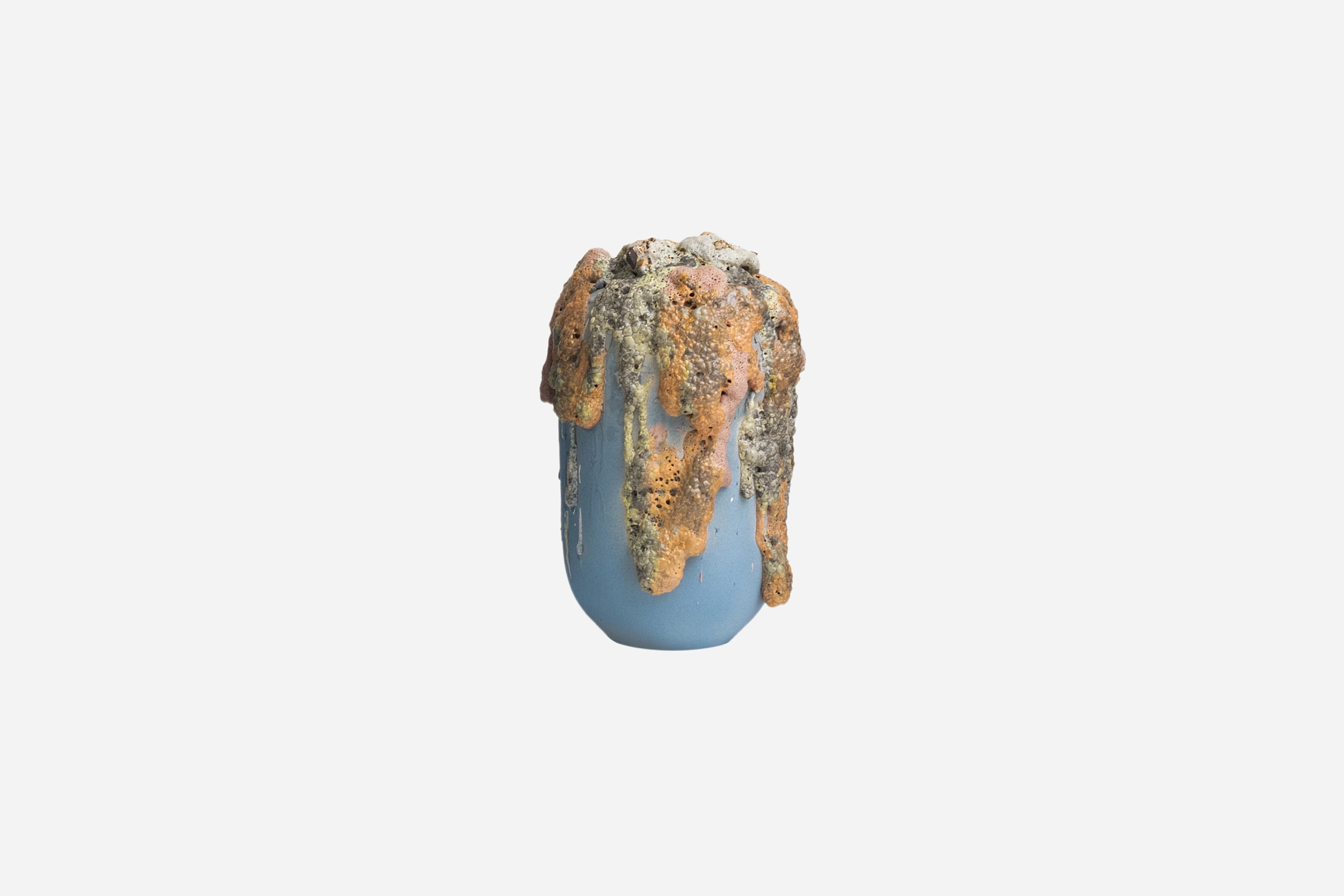
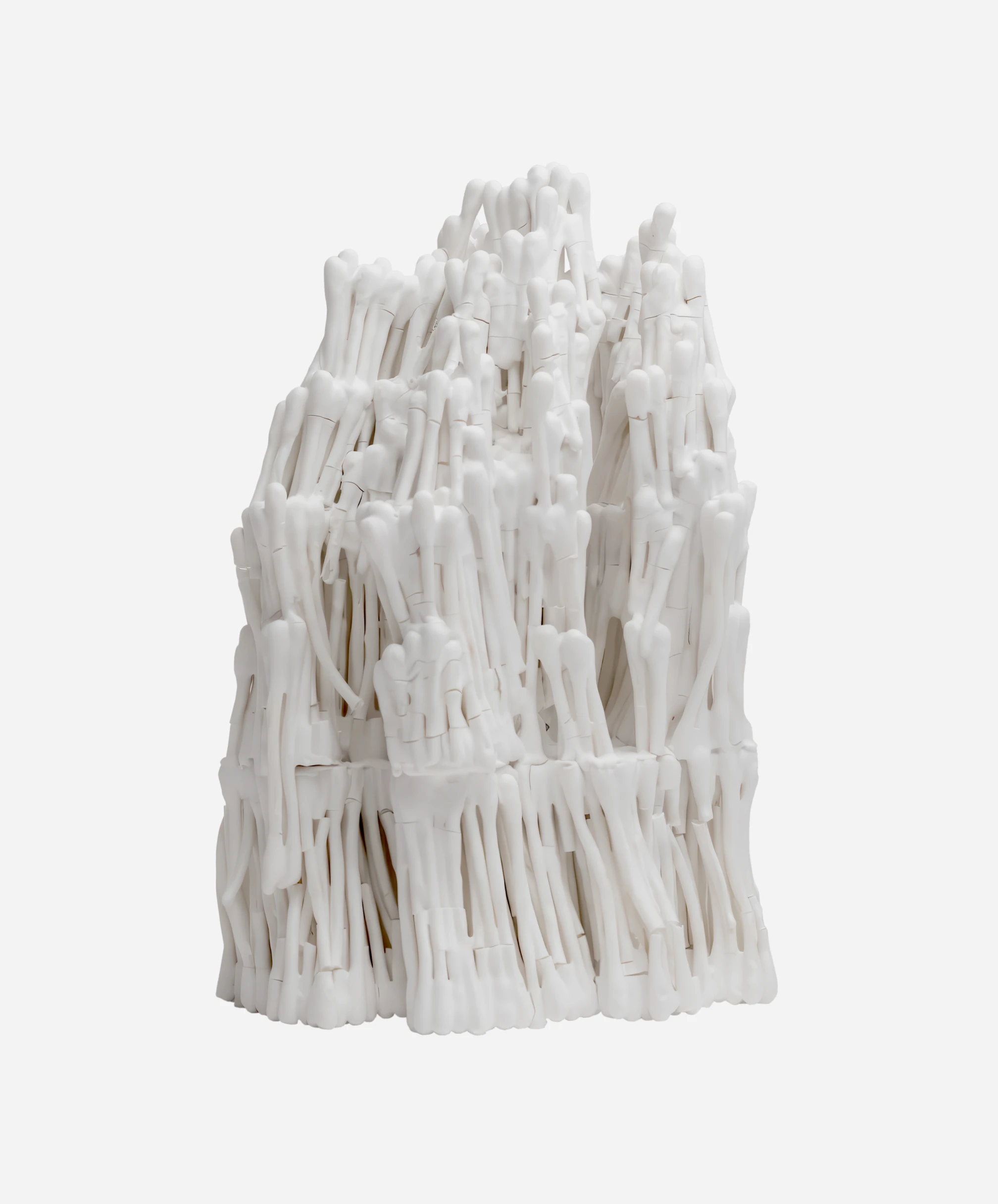
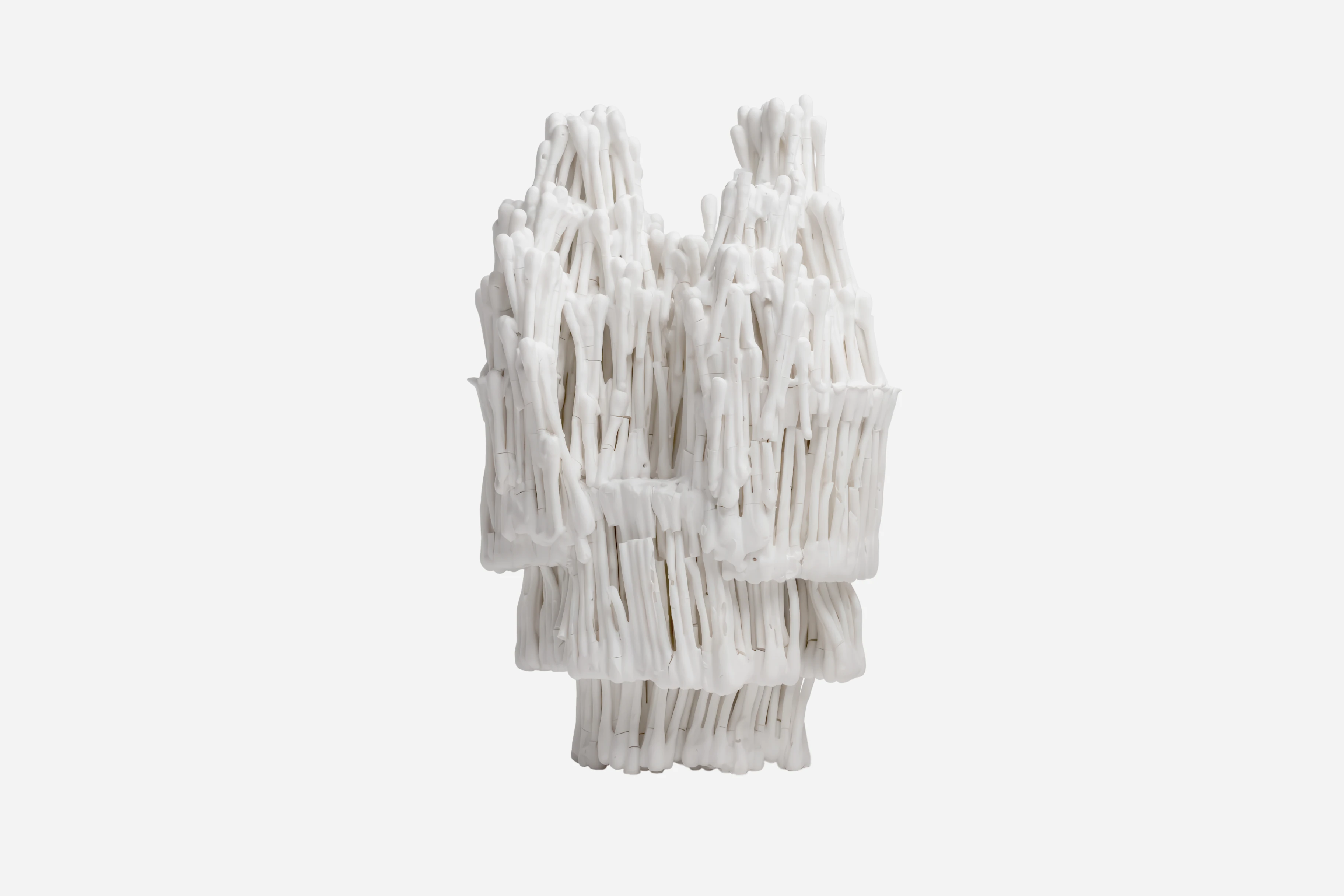
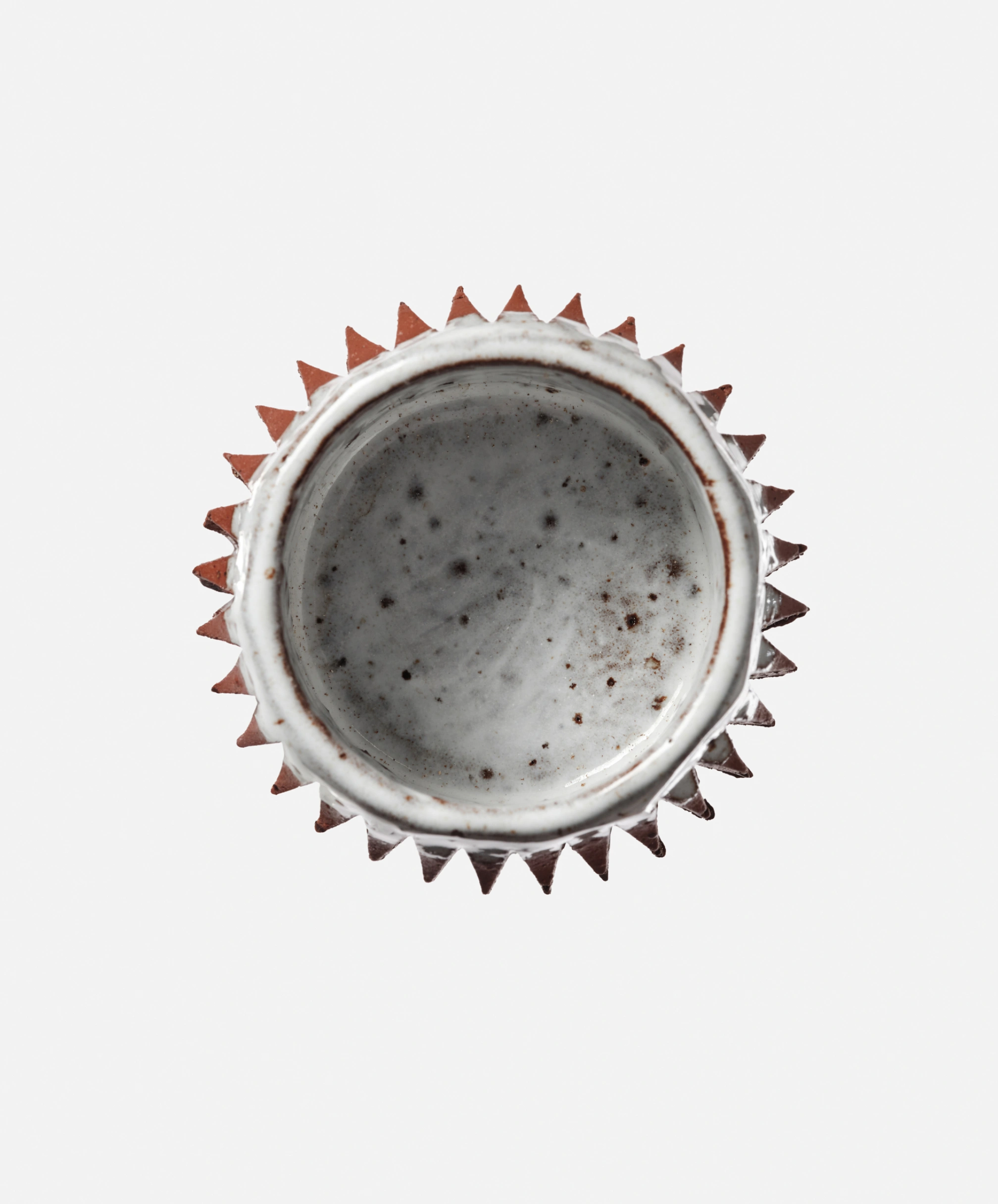
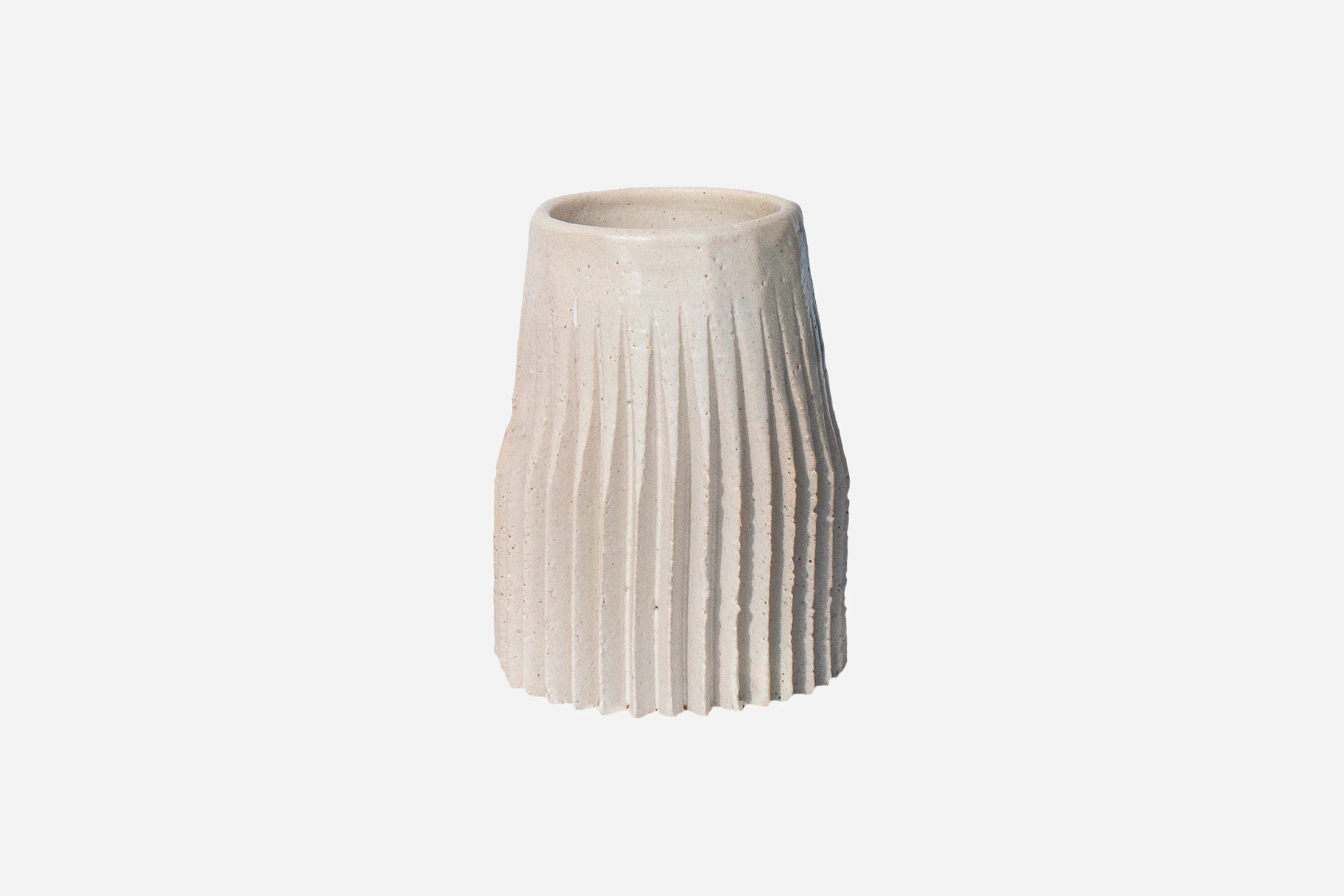
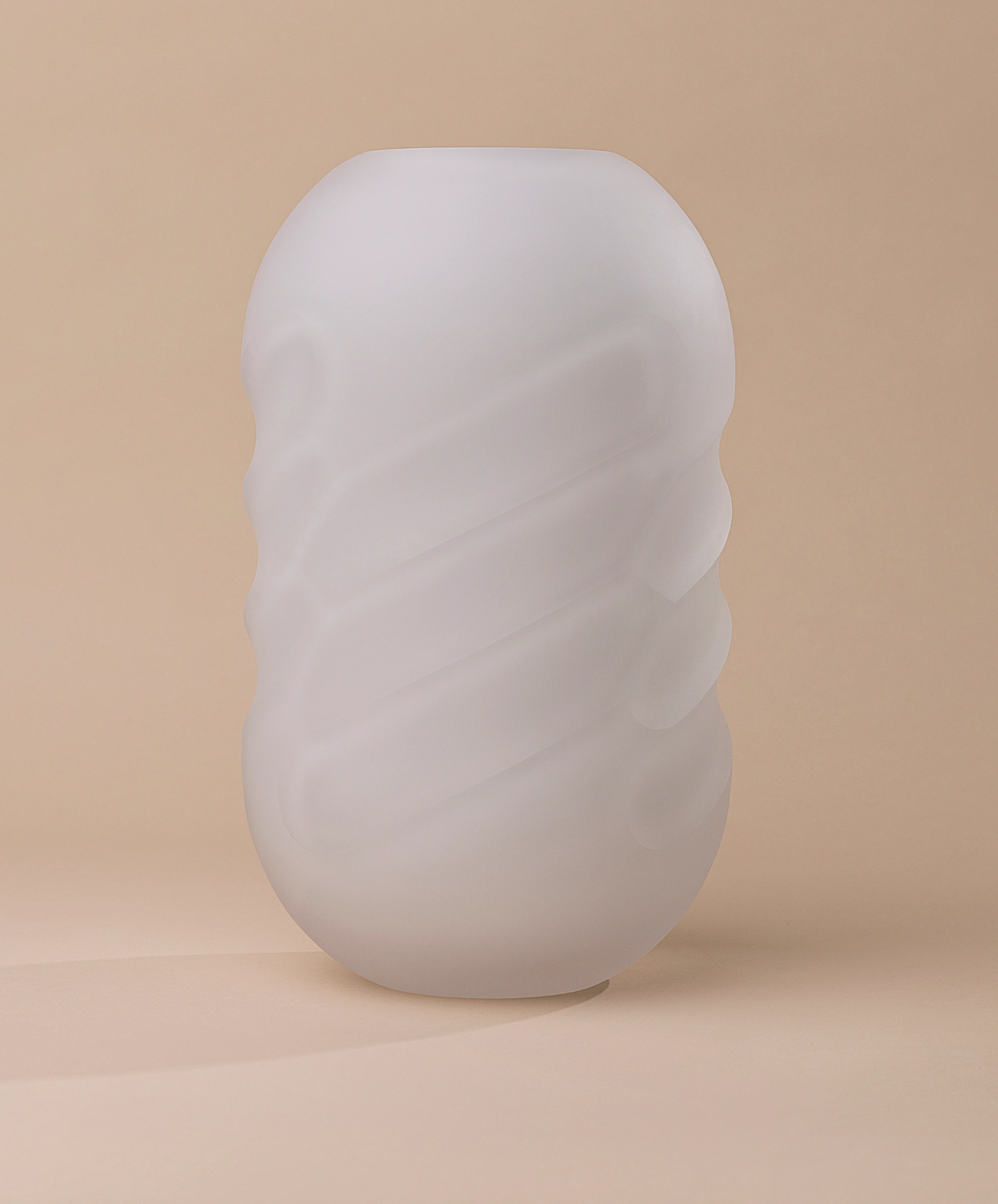
Čebelino is an organically shaped bee drinking fountain.

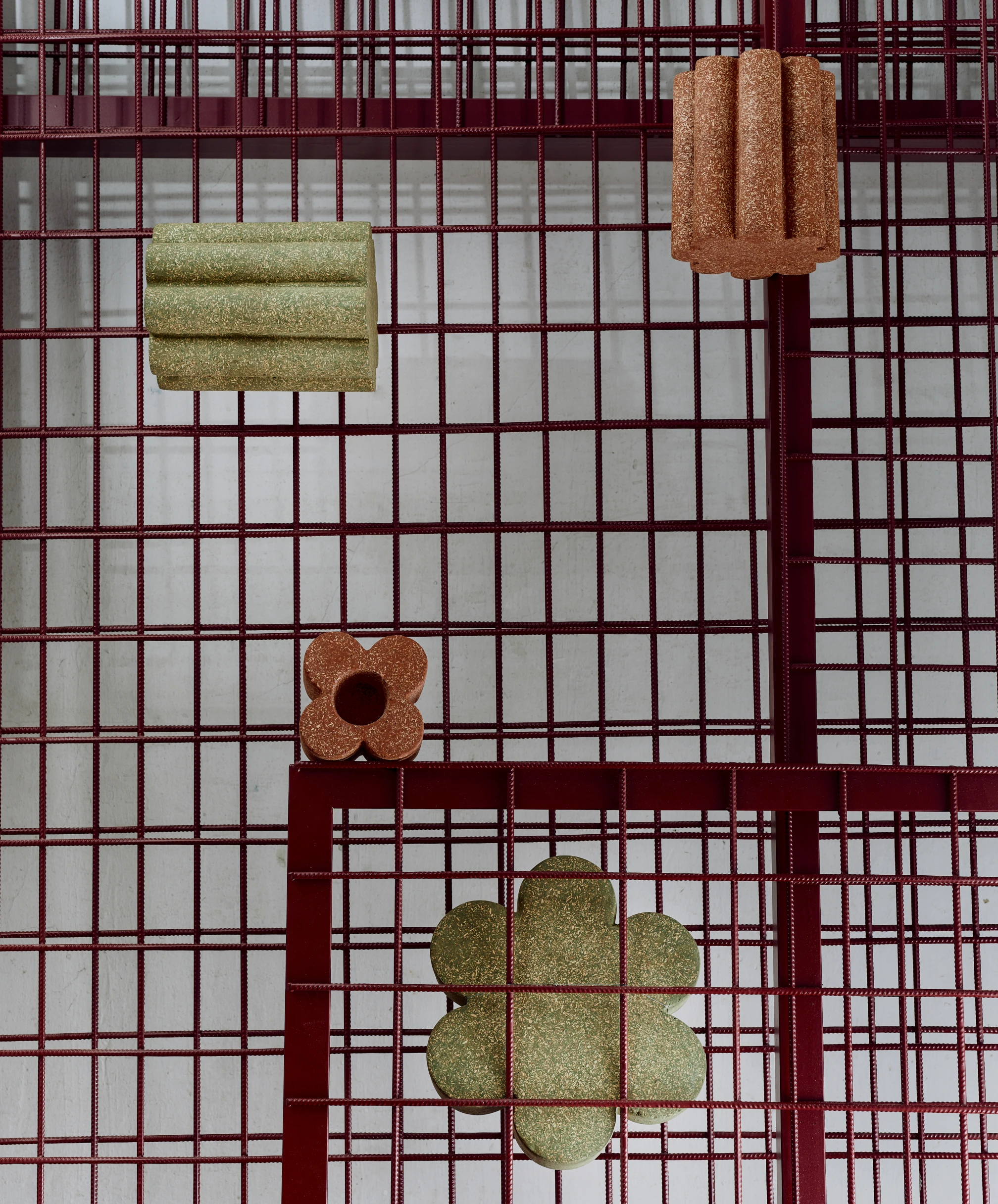
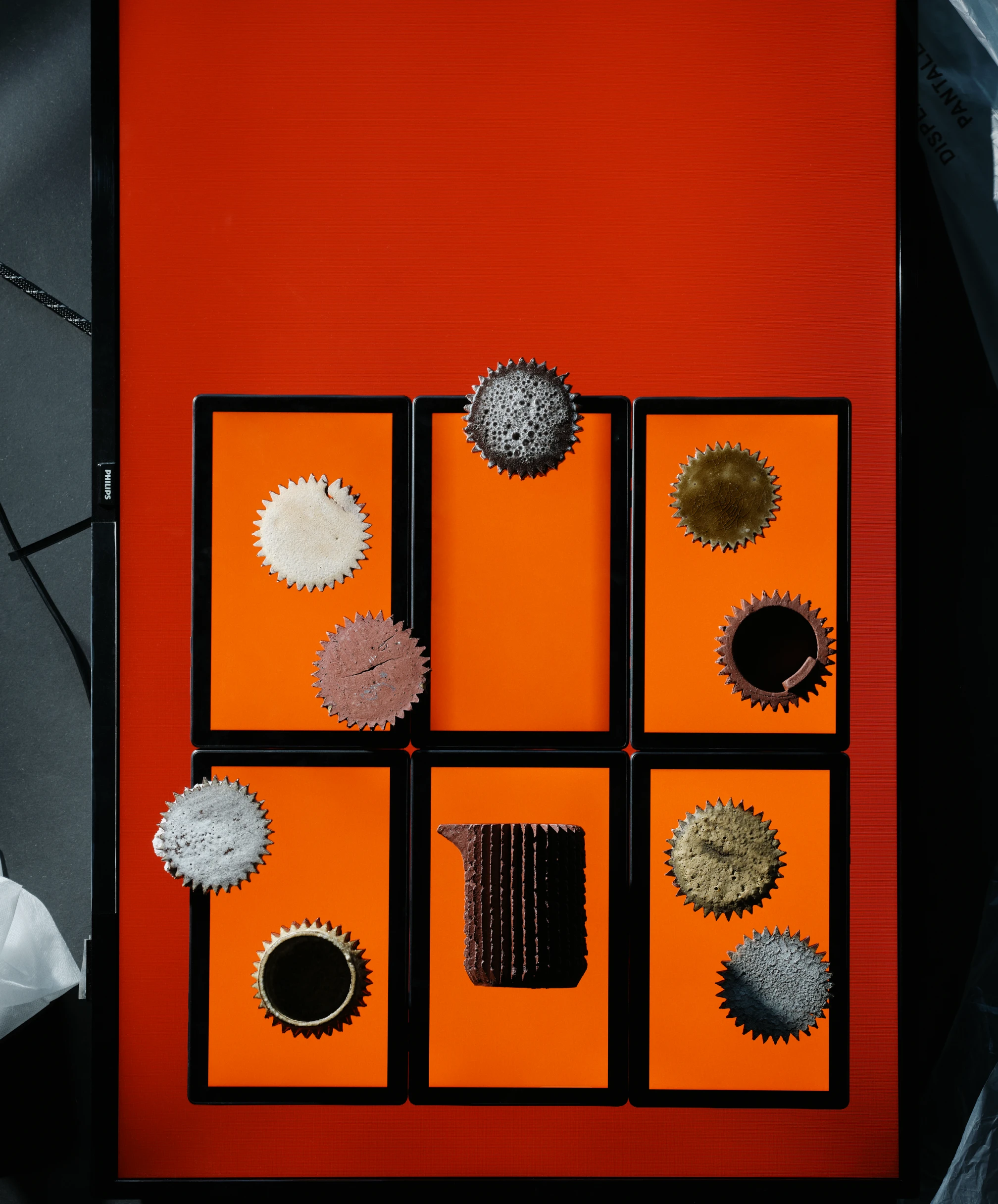
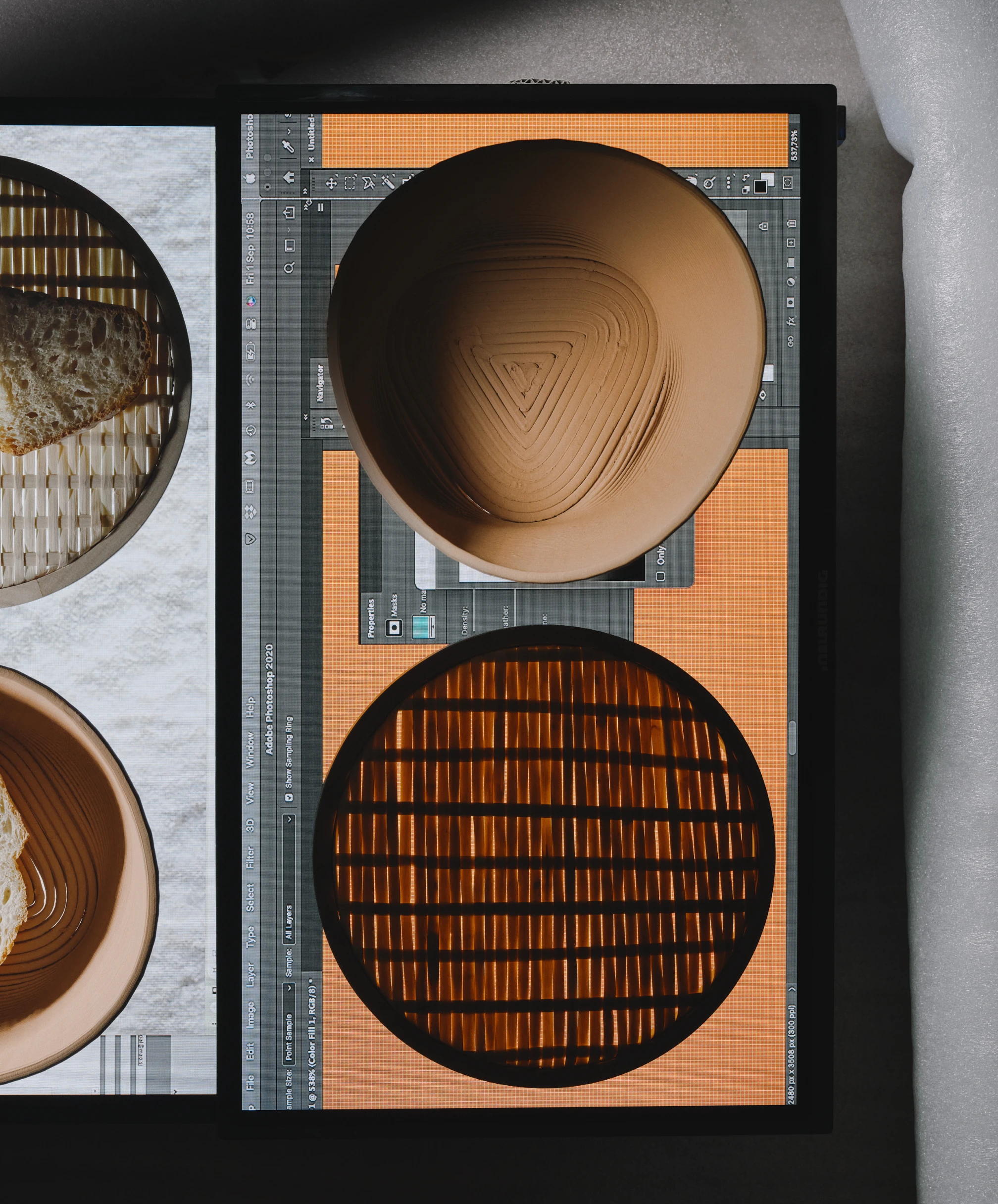
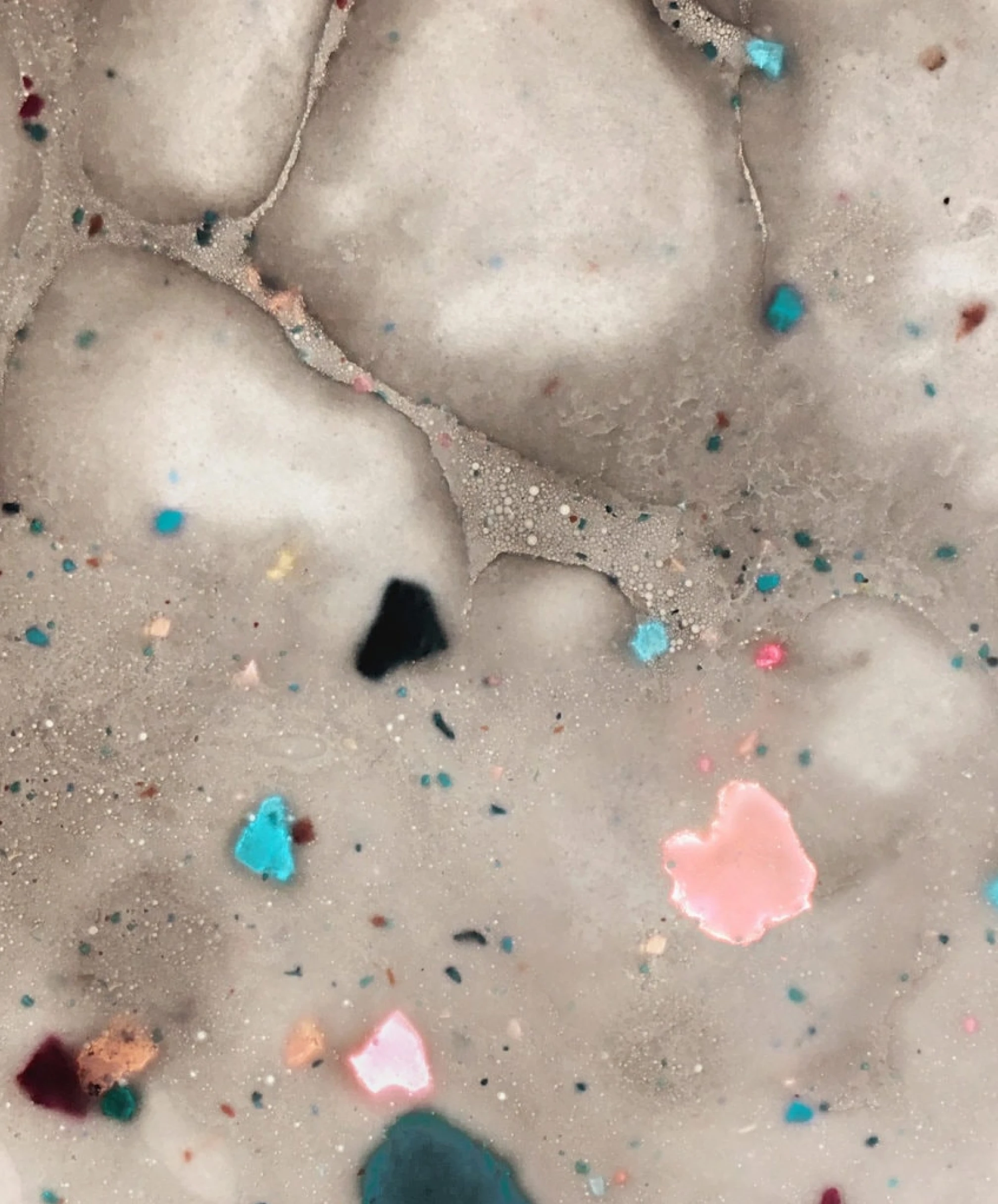
The Čebelino honeybee drinking fountain is made from a special mixture of clay and sawdust. The sawdust burns off during baking, leaving micro-bubbles in the ceramic that allow water to seep through to the surface of the feeder. The water seeps through in sufficient quantity for the bees to absorb it from the surface. The authors have combined their knowledge of natural materials with modern manufacturing approaches and technologies, and the innovation builds on two previous products by both authors: the Dodola water filter by Luka Pleskovič and the Holey Roket biomass fuel cooker by Rok Oblak, where the bubbles act as a thermal insulator and improve the efficiency of heat transfer from the fuel to the cooking pot. The same technology has been applied to the drinking fountain, but further testing is required to assess the effectiveness of the different mixtures in order to develop the material structure suitable for optimal water passage. The final product boasts an attractive design and material that appeals to a wide range of users. The product design was developed using algorithmic design and 3D printing, with the primary objective of meeting the needs of bees and pollinators. The product is suitable for all age groups and encourages coexistence with insects. Different mounting options adapt to different environments - gardens, roofs, balconies and other surfaces accessible to insects. The drinking fountain is best suited to urban environments where clean drinking water is scarce, especially during dry periods. Providing a reliable source of water helps support the health and productivity of bee colonies and other pollinators. It is suitable as an educational tool for public institutions such as schools, municipalities, local beekeeping associations and gardening enthusiasts. Čebelino has been awarded the MADE IN SLOVENIA: Selection of design excellence label.
INSTRUCTIONS FOR USE
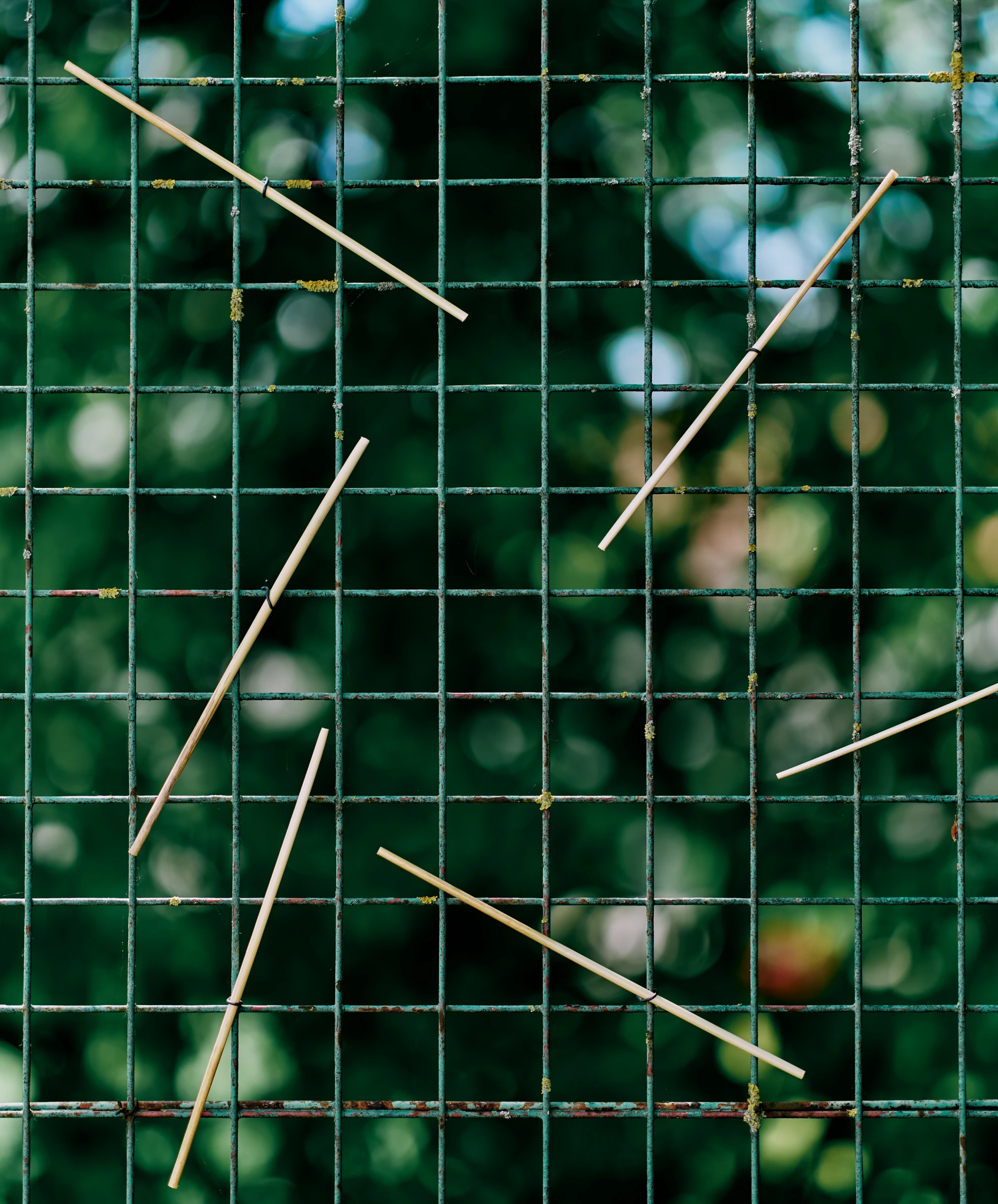
The drinking fountain should be placed in an accessible location for pollinators, such as tree branches, fences or vertical beams placed in the garden. If there is a beehive nearby, Čebelino should be installed at least a few metres away. Once the Čebelino has been installed, remove the wooden lid and fill it two-thirds full with water. You can also check the water level from a distance by checking the colour of the ceramic. Make sure it is always at least one-third full. It may take up to two weeks for the bees to locate the source of liquid, but once they have become accustomed to the location, they will return regularly. Make sure that water is added on a regular basis, because otherwise the bees will quickly forget the location. The drinking fountain should be cleaned with a brush under running water or in a dishwasher. A solution of water and vinegar (1:1) should be poured into the fountain and left to soak for half an hour. Čebelino should then be immersed in water overnight, rinsed and dried.
THE YEARLY CALENDAR OF THE LIFE OF A BEE
Early spring (February-April): Bees become active. They begin to collect nectar and pollen to feed their growing colony. Water is important for the larvae at this time.
Late spring (May-June): The bee population reaches its peak. They collect nectar and pollen and make honey from the surplus. They also need water to regulate the temperature in the hive.
Early summer (July-August): Bees continue to forage, collecting nectar, pollen and water. The need for water increases, especially to cool the hive.
Summer: The colony may experience water shortages during hot and dry periods. Additional sources of water are needed.
Late summer (September-October): Bees are still active, but colony numbers begin to decline. Water intake decreases but remains essential for hive activity. Bees prepare for winter.
Late autumn (November): The colony starts to become less active. Bees concentrate on preparing the hive for winter and water requirements decrease.
Winter (December-January): Bees form a winter cluster to keep warm, relying on stored honey to survive. Water is not required at this time.

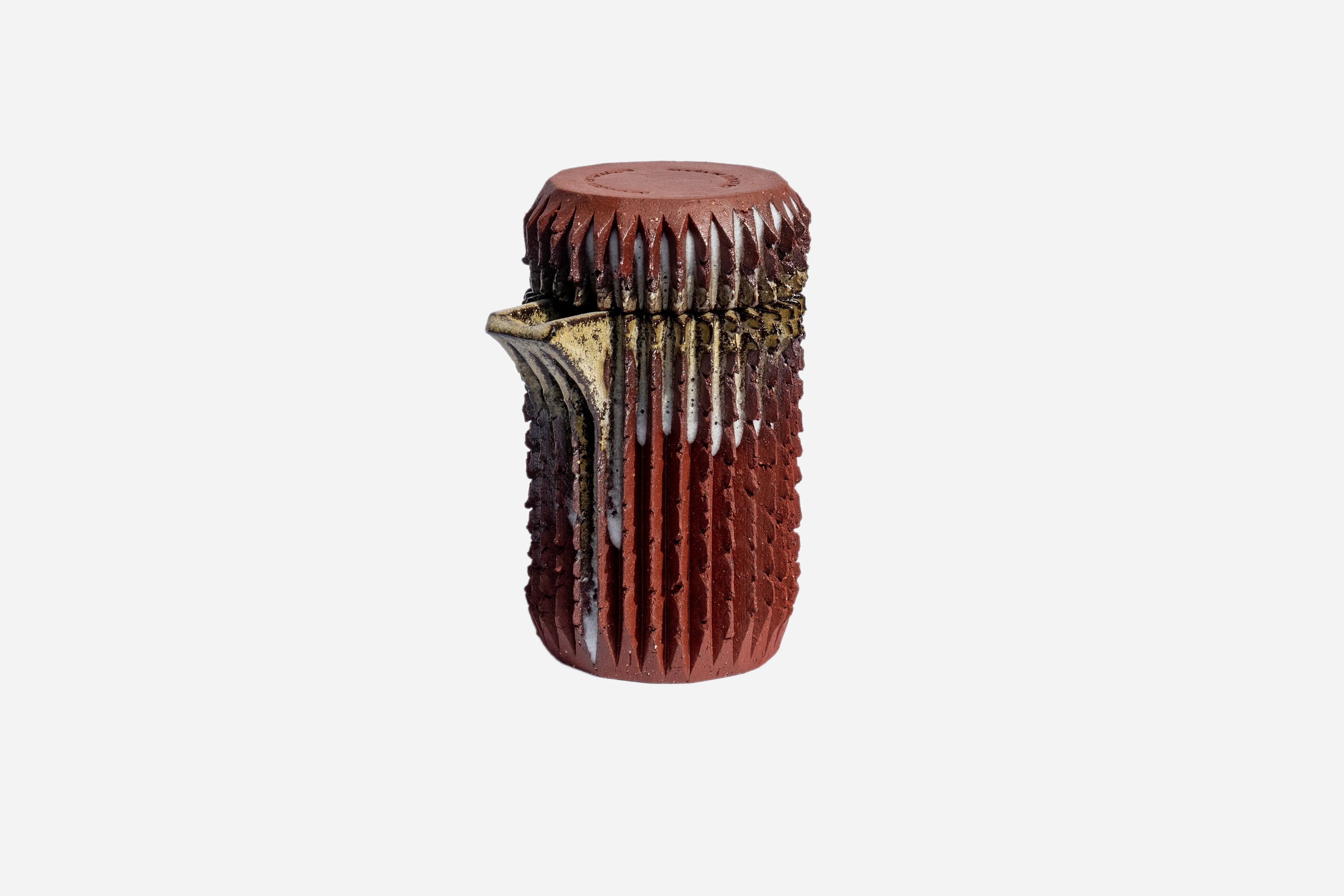
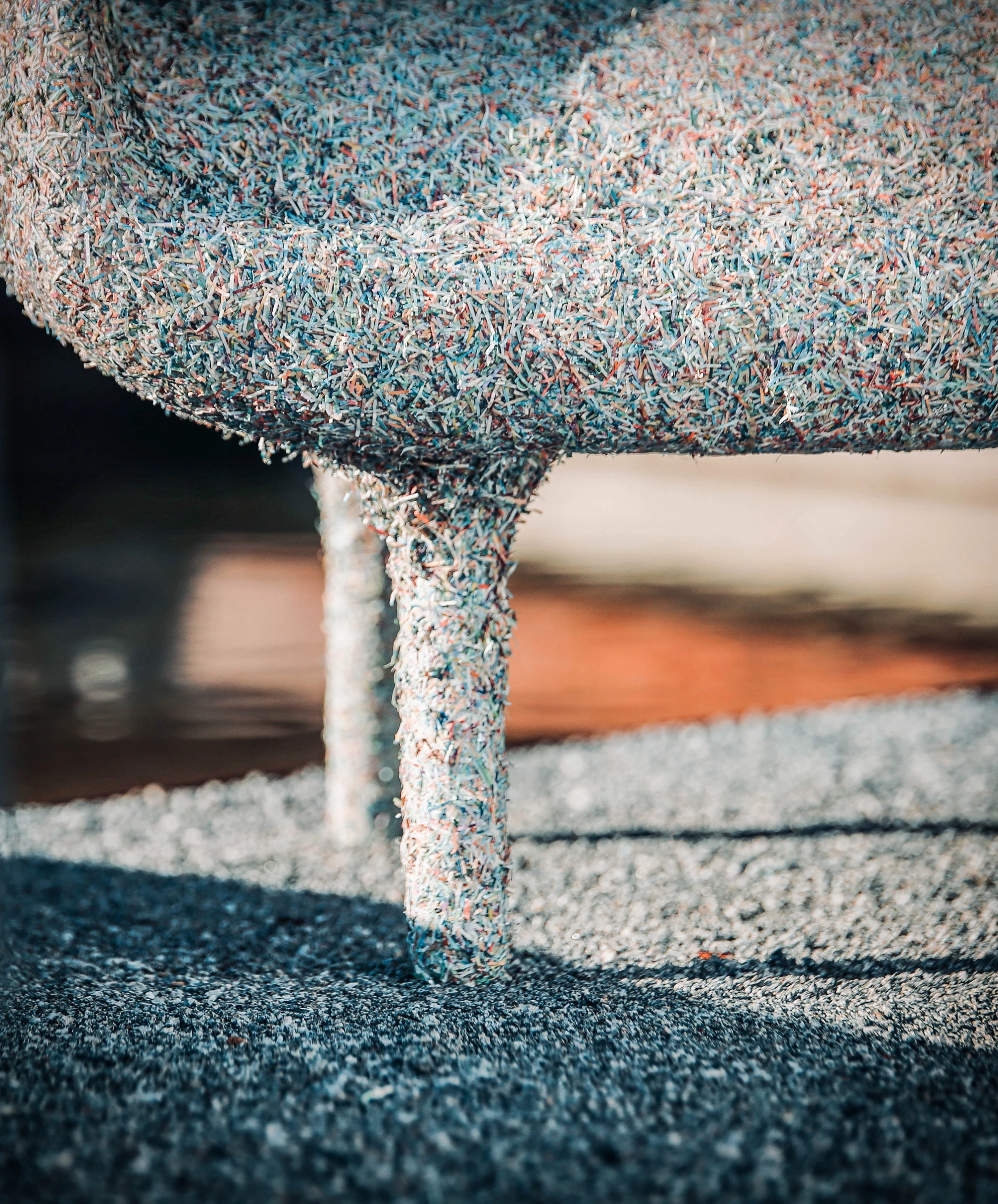
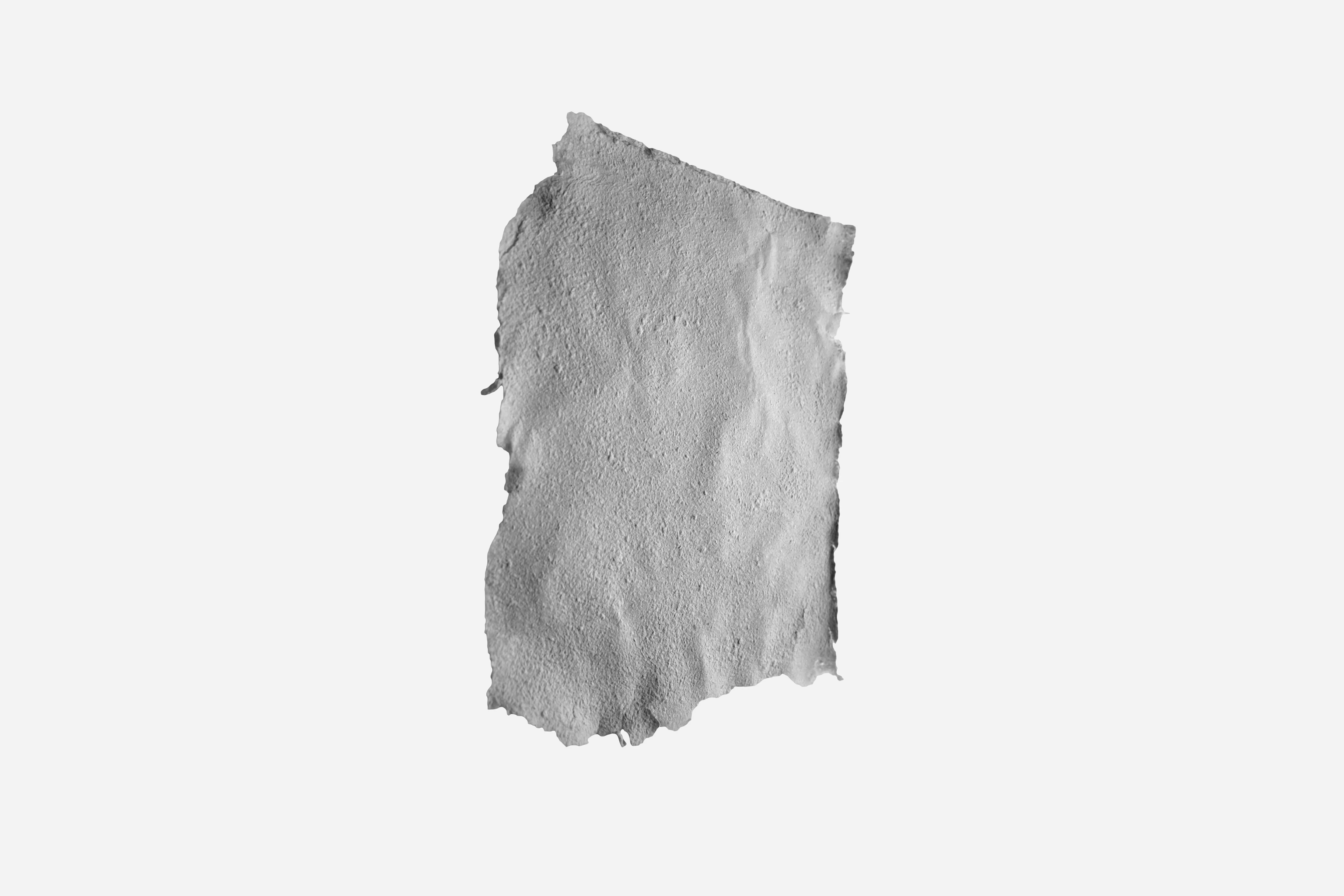
Biocomposite - natural clay with organic waste
Wood Waste
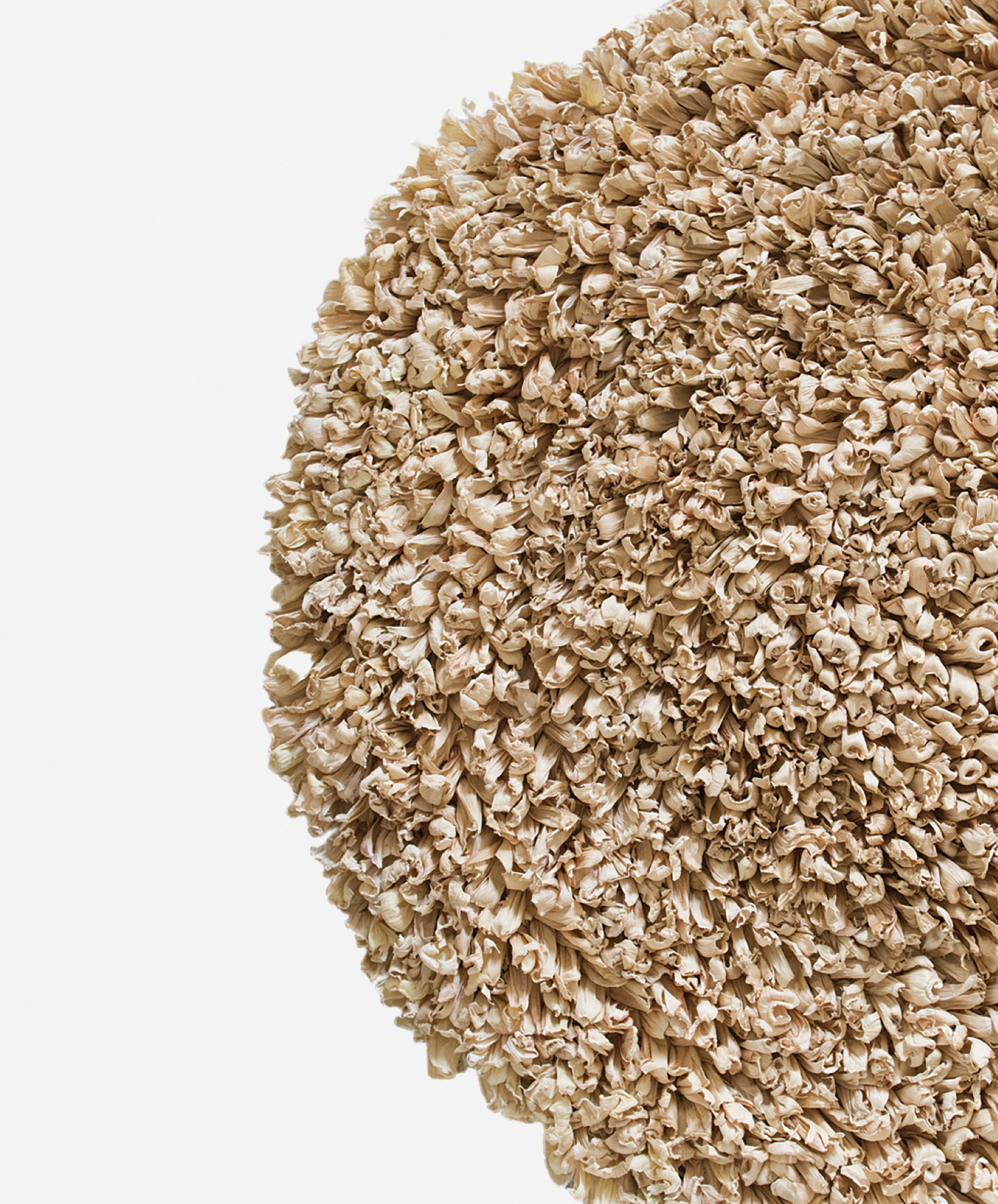
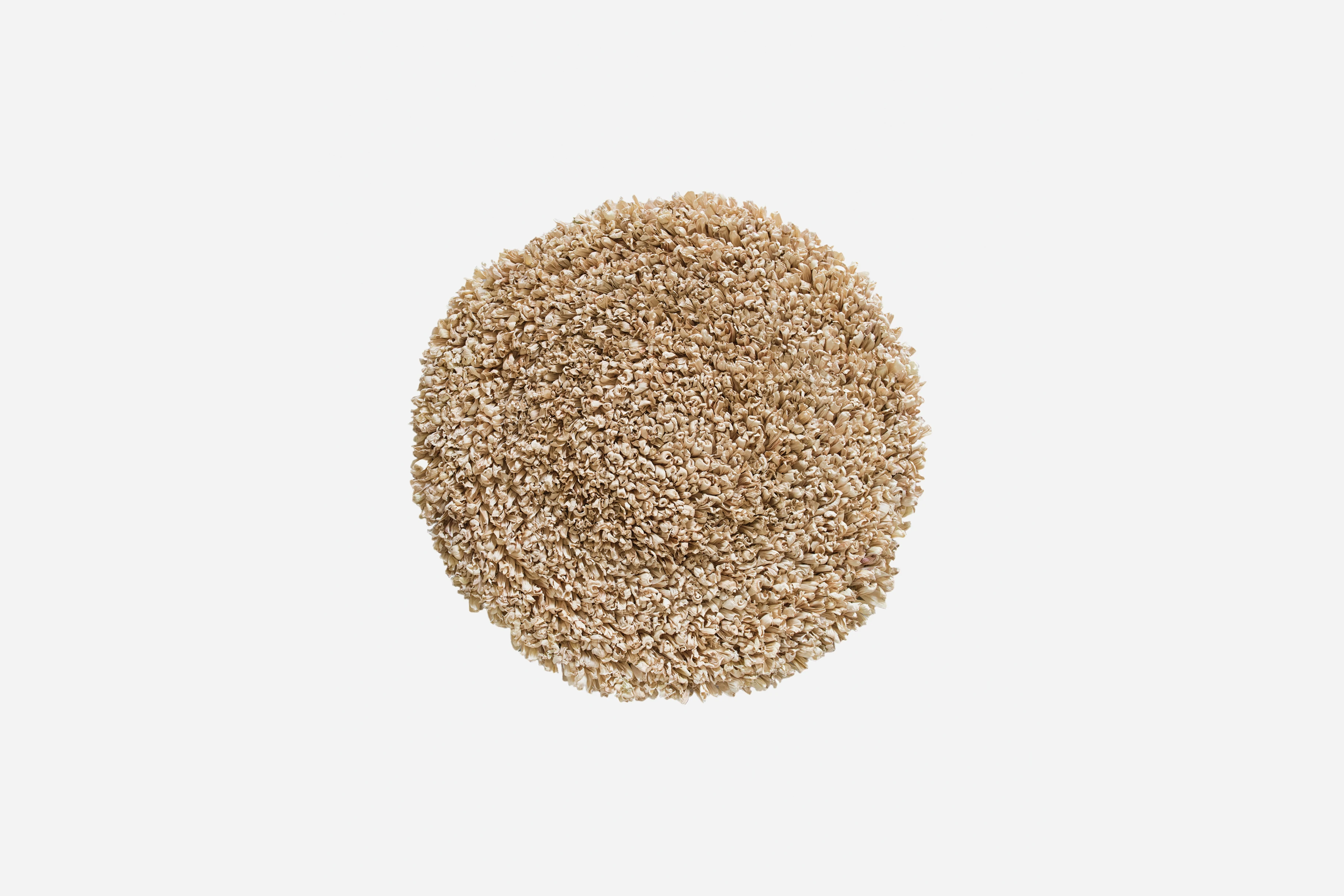
Rope - acrylic
Natural clay:
Dark Red
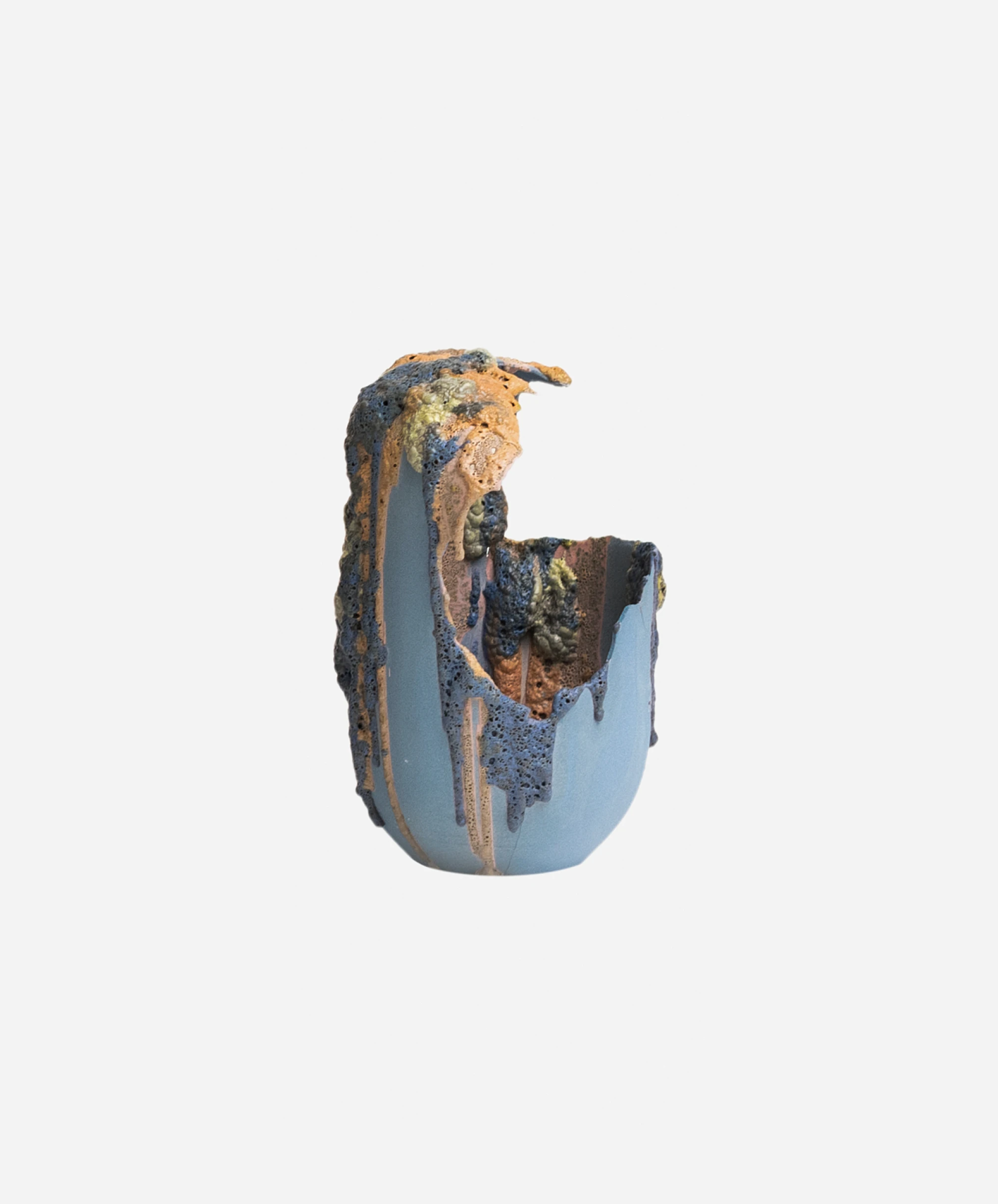
Casting Clay:
Light Blue
* O načinu dostave se dogovorite z ustvarjalcem.
AUTHORS
Rok Oblak is a freelance cultural worker based in Ljubljana. After graduating in Industrial Design from the Academy of Fine Arts and Design, he spent a few years in Vancouver, Canada, where he completed his Master of Applied Arts with the Holey Roket biomass cooker and was awarded the Governor of Canada's Gold Medal for Best Academic Achievement.
Luka Pleskovič is a designer. He graduated from the Academy of Fine Arts and Design. He is the co-founder of the Pjorkkala collective and the designer behind the award-winning Dodola water filter.
Inquiry
Inquiries should be sent directly to the product supplier.
RELATED PRODUCTS